Dry season vs rainy season, harmattan haze, festival season and what each means for your flights, budget and experience.
The short answer
Most travelers find November through March the easiest time: it's the main dry season, roads and parks are more accessible, and the calendar fills with festivals and events — especially in December.
Dry season (roughly November–March)
Expect hot, sunny days and lower humidity. From December to February the harmattan wind can blow Saharan dust south, creating hazy skies and cooler mornings — pack a light layer. This is peak season, so flights and hotels book up early and cost more.
Rainy seasons (roughly April–June and September–October)
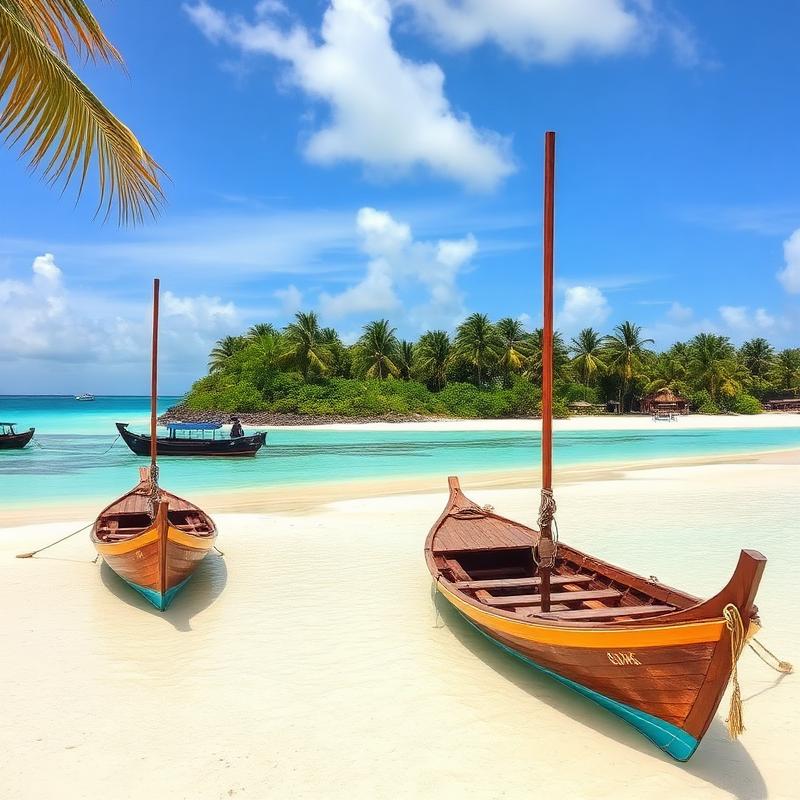
The south gets its heaviest rain April to June; a shorter wet spell returns around September–October. Rain usually comes in heavy bursts rather than all-day drizzle. The upside: lush countryside, fewer crowds and often better flight and hotel prices.
December in Ghana is its own event
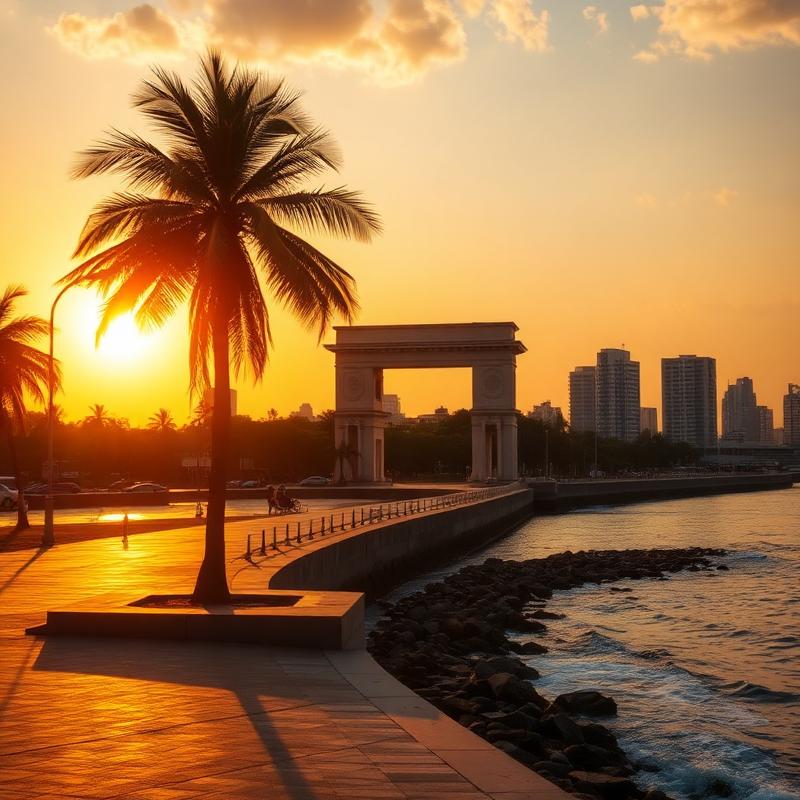
'Detty December' has become a global draw — concerts, beach events, family reunions and diaspora homecomings fill Accra's calendar. It's an unforgettable time to go, but book flights and accommodation months ahead; December fares are the year's highest.
Regional differences worth knowing
The north has a single rainy season (roughly May–October) and hotter, drier conditions overall. Coastal Accra and Cape Coast stay humid year-round. If your trip mixes regions — like our Accra, Cape Coast and Kumasi route — pack for both heat and sudden rain.
So when should you go?
First-timers and festival-goers: November–February. Budget-conscious and flexible travelers: May–June or September–October. Whatever you choose, we'll time your flights and itinerary around the season's realities.
Want this handled for you?
Our planners arrange every booking so you can travel with confidence. Get a free, no-obligation quote.